
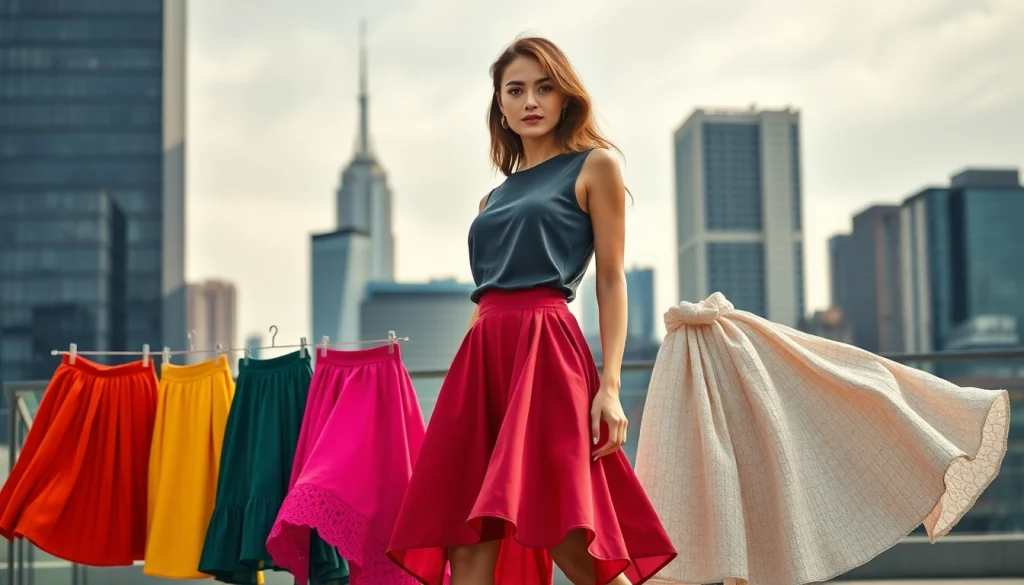
Understanding the Role of Clothes Manufacturer in Fashion
The world of fashion is a dynamic and ever-evolving industry, and at its core lies the crucial role of the Clothes Manufacturer. These manufacturers are pivotal in transforming creative designs into wearable garments. This section explores the intricate relationship between the designer’s vision and the practical execution carried out by manufacturers, especially within the context of skirt production.
The Evolution of Skirt Styles
Since the dawn of civilization, skirts have been an integral part of human attire. Initially worn for practical reasons, skirts have evolved into a symbol of fashion and personal expression. The various styles of skirts – from the ancient Egyptians’ simple wrap skirts to the voluminous petticoats of the Victorian era, leading to the modern variations like A-line, pencil, and maxi skirts – reflect societal changes, aesthetic preferences, and technological advancements in textile production.
Key Processes in Clothing Production
The journey of a skirt from concept to consumer involves several critical steps. These include:
- Design and Prototyping: Designers draft their ideas, which are then turned into patterns for prototype creation.
- Fabric Sourcing: Manufacturers select high-quality fabrics that meet the design specifications while considering cost and sustainability.
- Cutting and Sewing: Once fabrics are sourced, they are cut into pieces that are then expertly sewn together to form the final product.
- Finishing: Final touches, such as stitching, hemming, and adding zippers or buttons, occur at this stage.
- Quality Assurance: Rigorous quality checks ensure that the skirts meet industry standards for durability and aesthetics.
Quality Control in Skirts Manufacturing
Quality control is paramount in clothing manufacturing. It encompasses a range of practices aimed at ensuring that the final garments are free from defects and meet the desired standards. Stringent inspection processes can help identify issues such as faulty stitching, uneven hems, or fabric imperfections before the skirts reach the retail stage. Implementing a robust quality management system leads not only to customer satisfaction but also to fewer returns and enhanced brand reputation.
Choosing the Right Skirts for Your Wardrobe
Selecting the right skirt can elevate your wardrobe and enhance your personal style. With countless styles, lengths, and colors available, choosing wisely can make a difference in both appearance and comfort. This section will help guide your selections.
Types of Skirts and Their Features
Understanding the various types of skirts is essential when curating your wardrobe. Here are popular styles and their unique features:
- A-Line Skirt: Flattering for many body types, it widens from the waist to the hem, resembling an “A” shape.
- Pencil Skirt: Fitted and tapered towards the hem, perfect for professional settings and accentuating curves.
- Maxi Skirt: Long and flowing, offering comfort and versatility, suitable for both casual and formal occasions.
- Mini Skirt: A daring choice that sits above the knees, often associated with youthful fashion.
- Wrap Skirt: Features a folding design that wraps around the waist, providing adjustable flexibility.
Fabric Considerations for Skirts
Fabric choice is essential in skirt design, dictating both comfort and style. Here are key considerations:
- Cotton: Breathable and lightweight, ideal for summer wear.
- Wool: Provides warmth in cooler seasons and comes in various blends for added comfort.
- Polyester: Durable and wrinkle-resistant, making it popular for everyday skirts.
- Silk: Luxurious and smooth, perfect for formal events, although more delicate.
Styling Tips for Every Occasion
Skirts can be styled in myriad ways for different settings. Here are styling tips to consider:
- Casual Outings: Pair a denim skirt with a fitted t-shirt and sneakers for a laid-back look.
- Office Wear: Opt for a pencil skirt with a tailored blouse for a professional appearance.
- Evening Events: A flowing maxi skirt with a shimmering top can create an elegant silhouette.
- Weekend Brunch: Layer a wrap skirt with a stylish cardigan for a comfortable yet chic ensemble.
The Impact of Sustainable Practices in Clothes Manufacturer
The fashion industry is increasingly scrutinizing its environmental impact. As a result, sustainable practices in clothing manufacturing are becoming paramount. This section delves into how manufacturers are addressing environmental challenges.
Eco-Friendly Materials in Skirt Production
Ecologically responsible fabric options are now available, and many manufacturers are embracing these materials:
- Organic Cotton: Grown without harmful pesticides, organic cotton is a safer choice for the environment.
- Bamboo Fabric: Naturally biodegradable and sustainable, it is also soft and moisture-wicking.
- Recycled Polyester: Made from recycled plastic bottles, this fabric helps reduce waste while maintaining durability.
Reducing Waste in Clothing Manufacturing
Waste reduction is critical in skirt manufacturing. Implementing strategies such as lean manufacturing practices, recycle fabric scraps, and digital cutting technology can significantly minimize waste. Furthermore, manufacturers are increasingly focused on producing on-demand to reduce unsold inventory.
Sustainable Trends in Skirts Fashion
Modern consumers are looking for sustainability in fashion. Popular trends include:
- Timeless Designs: Classic silhouettes that transcend seasonal trends promote longevity in wardrobes.
- Renting and Resale: Platforms that allow for skirt rental or resale extend the lifecycle of garments.
- Capsule Wardrobes: Encouraging minimalism, capsule wardrobes consist of versatile pieces that can be mixed and matched.
The Future of Fashion: Technology in Clothes Manufacturer
Technology continues to revolutionize the fashion industry, and skirts are no exception. From production to retail, innovations are enhancing efficiency and creativity.
Smart Textiles and Fabrics Innovation
Smart textiles feature built-in technology that enhances functionality. Fabrics can now monitor temperature, provide moisture-wicking properties, or even keep the wearer informed about their health status. Such innovations present exciting possibilities for stylistic and practical applications in skirts.
The Role of Automation in Manufacturing Skirts
Automation streamlines the clothing production process. Sewing robots and automated cutters increase efficiency while reducing manual labor costs. Additionally, automated systems can enhance precision, leading to higher quality garments with less variability.
Influencing Trends with Digital Design
Digital technology allows for rapid prototyping and visualization of skirt designs using 3D modeling software. Designers can quickly adjust styles based on consumer feedback, prompting a more agile response to trends and market demands. This not only accelerates the time-to-market but also enriches the creativity behind fashion collections.
Frequently Asked Questions about Clothes Manufacturer
What defines a reliable Clothes Manufacturer?
A reliable Clothes Manufacturer prioritizes quality, sustainability, and clear communication, ensuring efficient production processes.
How do I choose the right fabric for my skirts?
Consider the occasion, comfort, and maintenance when selecting fabric. Cotton, for example, offers breathability, while polyester adds durability.
What are the current trends in skirt designs?
Current trends include high-waisted silhouettes, pleated styles, and bold prints, reflecting the diverse tastes of modern fashion.
How can I ensure my skirts last longer?
Follow care instructions, wash in cold water, and avoid high heat when drying to prolong the life of your skirts.
What makes your Clothes Manufacturer stand out?
We focus on innovative designs, high-quality craftsmanship, and sustainable practices that resonate well with today’s eco-conscious consumers.