
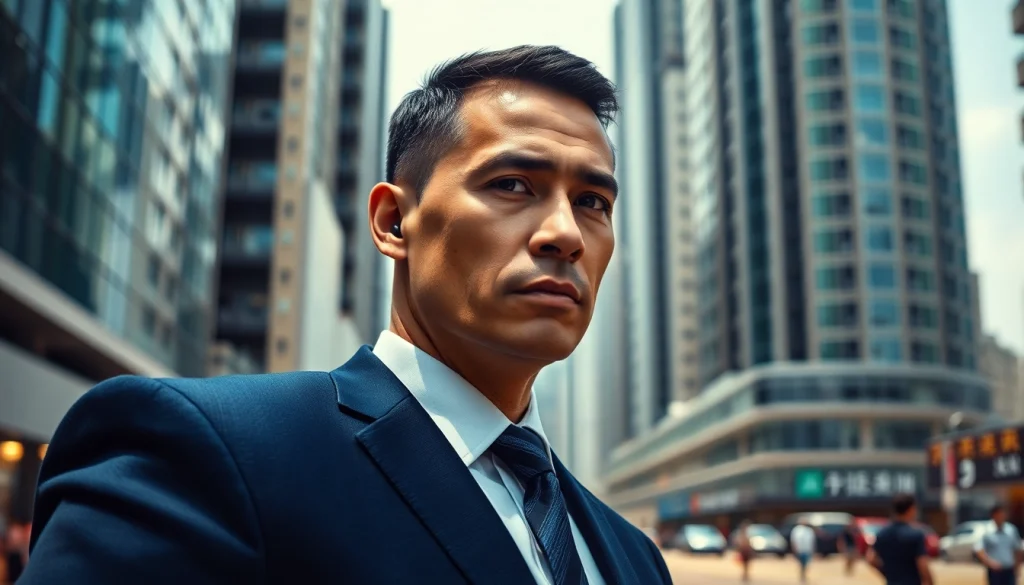
Understanding Close Protection Hong Kong
What is Close Protection?
Close protection, often referred to as personal security or executive protection, involves safeguarding individuals from threats such as harassment, assault, or abduction. This form of security goes beyond standard measures, providing a proactive approach to safety. Close protection officers (CPOs) are trained professionals who assess risks, plan safe routes, and develop strategies for their clients’ security while allowing them to maintain their daily activities without undue interference. This service is particularly essential in high-density urban environments like Hong Kong, where the dynamic lifestyle and diverse threats necessitate specialized protective measures.
Importance of Close Protection in Hong Kong
Hong Kong is a vibrant metropolis with a mix of cultural influences and an ever-bustling urban landscape. While it is often regarded as one of the safest cities in Asia, the risks have evolved, making it crucial to consider Close protection Hong Kong services. The city faces unique challenges, such as demonstrations, civil unrest, and targeted criminal activities that can pose threats to individuals, especially high-profile personalities, business executives, and expatriates. A robust close protection plan not only mitigates risks but also instills confidence for those navigating this busy environment.
Typical Roles of a Close Protection Officer
Close protection officers typically wear several hats, adapting their roles based on the client’s specific needs. Some common responsibilities include:
- Risk Assessment: Conducting thorough evaluations of potential threats and vulnerabilities, both in routine scenarios and at specific public appearances.
- Surveillance and Intelligence Gathering: Monitoring the environment for suspicious activity and maintaining situational awareness to ensure safety.
- Route Planning: Developing and rehearsing secure travel plans to minimize exposure to threats.
- Emergency Response: Preparing for various emergency scenarios, from medical issues to direct threats, ensuring a quick and effective response.
- Client Relations: Building trust with clients, adapting methods to their lifestyle while maintaining a high degree of professionalism.
Assessing Your Security Needs
Identifying Risk Factors in Hong Kong
Understanding the unique risks associated with Hong Kong is critical for tailored close protection. These risks include:
- Political Protests: The city has experienced significant movements that can escalate unexpectedly. Being aware of upcoming protests and areas of high tension is crucial.
- Cultural Differences: Navigating diverse social norms can sometimes lead to misunderstandings or confrontations, especially for expatriates.
- Geographical Risks: Hong Kong’s dense urban structure has high-rise buildings and narrow alleyways, which can pose challenges in movement and escape routes if needed.
Personal Security Assessments
A personal security assessment involves evaluating an individual’s daily life, including travel patterns, social engagements, and even online presence. A comprehensive assessment looks at factors such as:
- Work Environment: Understanding the security dynamics of the workplace is essential for formulating effective close protection.
- Leisure Activities: Common venues such as restaurants, gyms, and social spots should be included in the risk evaluation to highlight potential vulnerabilities.
- Social Media Use: Monitoring the digital footprint can reveal information that may inadvertently compromise safety, necessitating adjusted privacy settings.
Creating a Tailored Protection Plan
Once the security needs are assessed, creating a tailored protection plan is vital. A well-structured plan should include:
- Defined Goals: Establishing clear communication on what safety means to the client—whether it’s avoidance of crowds or active security presence.
- Resource Allocation: Identifying the types of personnel and equipment needed to meet the client’s requirements effectively.
- Regular Updates: The security plan should be dynamic, with regular evaluations and adjustments based on changing circumstances or new threats.
Choosing the Right Close Protection Service
Evaluating Qualifications and Experience
When selecting a close protection service, it’s essential to evaluate the qualifications and experience that their officers possess. Key factors to consider include:
- Certifications: Look for training from recognized institutions in close protection, risk management, and first-aid certification.
- Field Experience: Officers should have real-world experience in high-stress environments, demonstrating their capability to act under pressure.
- Reputation: Seeking testimonials or reviews from past clients can provide insights into the effectiveness of the service provided.
Questions to Ask Potential Providers
Before engaging a close protection service, here are some essential questions to pose:
- What is your training and background? Understanding their experience can help gauge their ability to manage threats.
- How do you tailor security plans for individuals? This question tests their customization capability according to specific client needs.
- Can you provide references? Speaking with previous clients directly can provide valuable insights into their service quality.
Understanding Costs and Services Offered
Costs for close protection services can vary widely based on several factors. Key considerations include:
- Service Level: Full-time protection costs more compared to intermittent services, so you must understand the requirements against the budget.
- Duration of Service: Longer contracts typically come with lower daily rates, but clarity on the timeframe is essential.
- Type of Protection: The presence of specialized security measures (e.g., armored vehicles or advanced surveillance technology) can significantly influence costs.
Best Practices for Personal Safety
Daily Precautions in Hong Kong
Maintaining personal safety in a bustling city like Hong Kong requires commitment to daily precautions. Some effective strategies include:
- Awareness of Surroundings: Regularly scanning the environment and being mindful of unusual behavior can prevent potential threats before they arise.
- Trust Your Instincts: Listening to gut feelings can serve as an important alert system to avoid dangerous situations.
- Establish a Routine: Familiarizing oneself with local areas and developing daily routes can minimize exposure to unexpected hazards.
Building Situational Awareness
Situational awareness is critical for personal safety and involves understanding the dynamics of one’s immediate environment. Practical tips for enhancing awareness include:
- Learning About Local Customs: Understanding cultural nuances can aid in navigating social interactions more effectively and safely.
- Identifying Safe Spaces: Knowing the location of police stations, hospitals, and public areas can serve as beneficial information in emergencies.
- Regular Communication: Keeping a trusted person informed of your whereabouts can ensure a timely response if needed.
Emergency Procedures and Responses
Planning for emergencies is essential. Establishing procedures for various scenarios such as theft, assault, or medical emergencies can greatly enhance safety. Recommendations include:
- Emergency Contacts: Having a list of contacts that should be notified in case of an emergency is crucial.
- Strategic Escape Routes: Familiarizing oneself with possible exits in varied locations can facilitate a quick getaway if necessary.
- First-Aid Training: Acquiring basic first-aid knowledge can prepare individuals for essential medical assistance in emergencies.
Frequently Asked Questions
What qualifications should a close protection officer have?
A close protection officer should possess formal training in personal security, risk assessment, and emergency response, alongside practical experience in high-pressure environments.
How is the cost of close protection determined?
Costs vary based on the level of service, duration, and type of protection required, as well as the officer’s experience and the complexity of security needs.
Can I customize my protection plan?
Yes, a professional close protection service will work with you to tailor a plan that fits your specific security requirements, lifestyle, and preferences.
What are common misconceptions about close protection?
Many think close protection is only for celebrities or those in danger. However, it’s beneficial for anyone needing discretion, travel safety, or peace of mind in public spaces.
When should I consider hiring close protection?
Consider hiring close protection if you frequently travel for work, attend public events, or have experienced threats or harassment that necessitate heightened security measures.